PLANT CITY, FL · HILLSBOROUGH COUNTY
Eliminate Every Mosquito, Every Tick. For Good
Mosquito & Tick Yard Treatments in Plant City, FL
Mosquitoes and ticks don’t respond to store-bought sprays or DIY repellents. They respond to licensed professionals using professional-grade yard treatment protocols. Call now and speak directly with a local Plant City mosquito & tick specialist today.
The Health Risk Is Real and It Is Local
Most people think of mosquito bites as an annoyance. In Hillsborough County, they have been a documented public health concern.
The Florida Department of Health issued a mosquito-borne illness advisory specifically for Hillsborough County in June 2024. A separate alert followed in August 2025. In 2024, Hillsborough County recorded locally acquired dengue fever cases. West Nile virus activity was also detected in Hillsborough County sentinel chickens in 2025, signaling active transmission in the area.
These are not distant statistics. They are happening in the same county where your family spends time outdoors.
Ticks carry their own category of risk. Florida is considered high risk for both Ehrlichia and Anaplasmosis, two tick-borne bacterial infections that cause serious illness. Lyme disease risk, while lower here than in the Northeast, is not zero. One infected tick in your yard is all it takes.
Professional yard treatment reduces the mosquito and tick population around your home significantly. It does not replace other precautions, but it removes the bulk of the threat from the places your family actually spends time.
Your Backyard Should Feel Like a Retreat. Not a Health Risk.
Plant City sits in a part of Florida where mosquitoes and ticks do not take a season off. The humid subtropical climate, the proximity to agricultural land and small lakes near the strawberry farms along County Road 566, and the shaded residential yards throughout Hillsborough County all create conditions where these pests breed and thrive year round.
This is not just a comfort issue. Mosquitoes and ticks in this area carry diseases that have affected real Hillsborough County residents in recent years. Getting your yard treated is one of the most practical things you can do to protect your family and pets.
Call now for a Mosquito & Tick inspection in Plant City, FL.
Lone Star Tick
The lone star tick is the most aggressive human-biting tick in Florida. The female is identified by a single white spot on her back. This species carries ehrlichiosis, STARI, and Rocky Mountain spotted fever. It is also linked to alpha-gal syndrome, a serious red meat allergy triggered by a protein in the tick’s saliva.
Lone star ticks are found in dense vegetation, along fence lines, and at the edges of wooded areas, all common features of older Plant City neighborhoods.
Black-Legged Tick (Deer Tick)
The black-legged tick is the primary carrier of Lyme disease in Florida. It is most dangerous in its nymph stage, when it is about the size of a poppy seed and extremely difficult to spot. These ticks thrive in moist, shaded areas with leaf litter and tall grass.
American Dog Tick
The American dog tick is a common threat to both pets and humans. It can transmit Rocky Mountain spotted fever and tularemia. It is typically found in grassy, brushy areas and along trails and yard perimeters.
Mosquito Species Active in Plant City
Florida is home to more than 80 mosquito species. Not all of them bite humans, but several common
to Hillsborough County do and some carry disease.
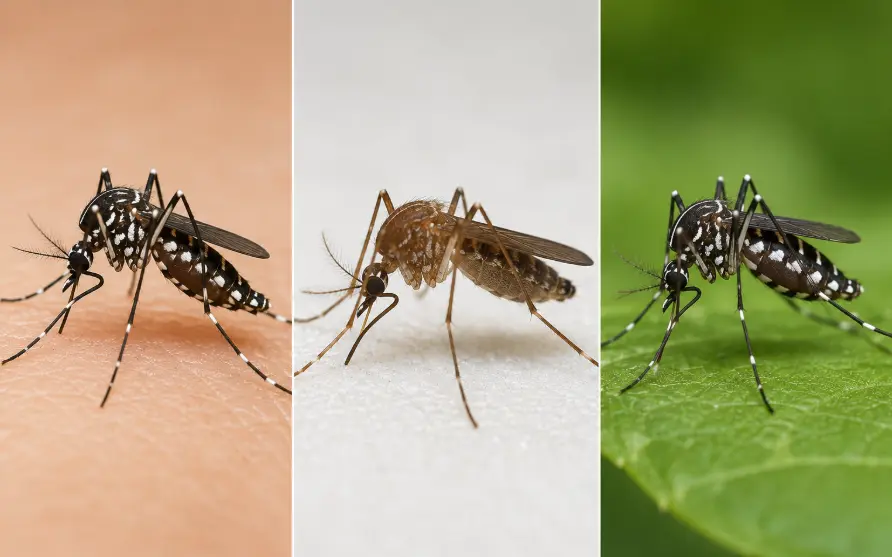
Aedes aegypti is the primary carrier of dengue fever, Zika, and chikungunya. It is a daytime biter, most active in the early morning and late afternoon. It breeds in small containers of standing water, including flower pot saucers, clogged gutters, and buckets left out after rain.
Culex quinquefasciatus, the southern house mosquito, is the primary carrier of West Nile virus in Florida. It is active at dusk and dawn and breeds in stagnant, organically rich water like neglected birdbaths, drainage ditches, and low spots in yards that hold water after rain.
Aedes albopictus, the Asian tiger mosquito, is an aggressive daytime biter recognizable by its black and white striped legs. It can carry dengue and chikungunya and breeds in very small amounts of standing water.
Plant City’s mix of residential neighborhoods, irrigation systems, and proximity to agricultural areas gives all three species ideal habitat within and around your property.
Inspection
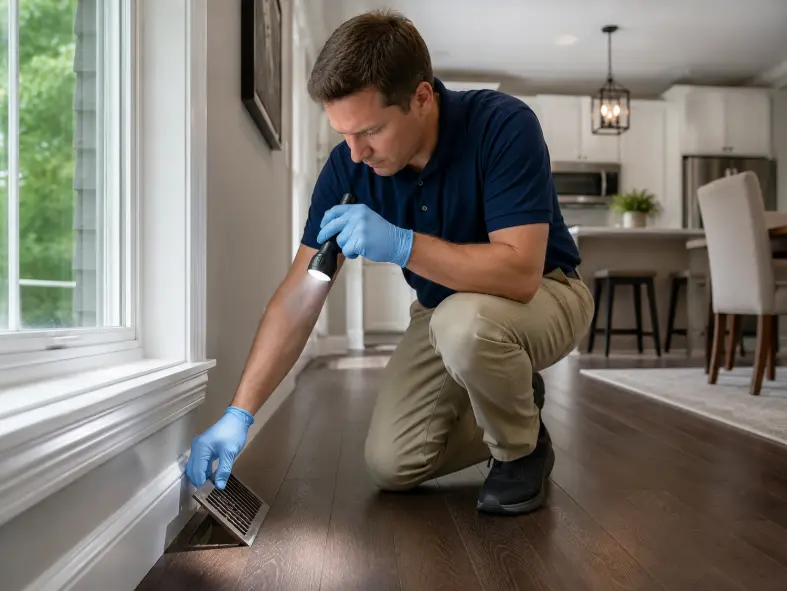
A technician walks your entire property and identifies where mosquitoes are resting and breeding and where ticks are most likely active. Common resting sites include the undersides of leaves, dense shrubs, shaded fence lines, and the edges of wooded areas. Breeding sites include any standing water, no matter how small.
Barrier Spray Treatment
A residual insecticide is applied to the vegetation, shrubs, fence lines, and shaded areas where mosquitoes rest between feedings. When mosquitoes land on treated surfaces, the product eliminates them.
A properly applied barrier treatment stays active for up to 21 days, depending on rainfall and temperature. For tick control, the same treatment targets the yard perimeter, ground cover, and the transition zones between grass and wooded or brushy areas where ticks concentrate.
Larvicide Application
Where standing water cannot be removed or drained, a larvicide is applied directly to the water. Larvicides target mosquito larvae before they develop into biting adults. This is an important step that many homeowners overlook when trying to manage mosquitoes on their own.
Between Treatments
Professional treatment programs schedule regular reapplication throughout the active season to maintain protection. A single treatment is better than nothing, but ongoing service keeps populations from rebuilding between visits.
(813) 761-7215
What You Can Do Between Professional Treatments
Professional treatment handles the heavy lifting, but a few habits on your end make the protection last longer.
➤ Empty any container that holds water after rain. This includes flower pot saucers, tarps, buckets, wheelbarrows, and even bottle caps. Mosquitoes need as little as a bottle cap of water to breed.
➤ Keep gutters clean. Clogged gutters are one of the most common and overlooked mosquito breeding sites on residential properties.
➤ Trim vegetation regularly. Cutting back dense shrubs and keeping grass short reduces the resting habitat mosquitoes rely on.
➤ Store birdbaths with fresh, moving water or treat them with a mosquito dunk, which contains a biological larvicide safe for birds and wildlife.
➤ Keep firewood stacked away from the house and elevated off the ground. This reduces tick harborage near your home’s entry points.
Why Plant City Yards Face Elevated Pressure?
Several factors specific to this area intensify mosquito and tick activity around local homes.
⊳ Standing water is everywhere after rain. Plant City averages over 50 inches of rainfall per year. Flat lots, clay-heavy soil in some neighborhoods, and poorly draining irrigation systems create standing water that mosquitoes use as breeding habitat within 48 hours of a rain event.
⊳ Agricultural surroundings. The strawberry farms and open fields east and south of Plant City along Turkey Creek Road and the surrounding area create large expanses of irrigated land that support mosquito breeding at scale. Mosquitoes do not stay in one place. They travel from those areas into residential neighborhoods nearby. It is one reason why comprehensive pest control in plant city covers far more ground than most homeowners initially expect.
⊳ Mature landscaping. Older Plant City neighborhoods have mature oak trees, dense shrubs, and heavy ground cover. Mosquitoes are weak fliers and spend most of their time resting in shaded vegetation. Dense landscaping gives them ideal habitat to rest between feeding.
⊳ Deer and wildlife corridors. Deer and other wildlife move through Hillsborough County’s rural and semi-rural edges, carrying ticks into yards. If your property backs up to any wooded area, a vacant lot, or a greenbelt, tick pressure from wildlife is a real and ongoing concern.
Protecting Yards Across All of Hillsborough County
Mosquito and tick pressure affects every part of the county. Whether your home is near the Plant City Strawberry Festival grounds, in a newer development in Valrico or Brandon, or on a rural lot in Dover or Thonotosassa, the climate and landscape of Hillsborough County create year-round pest pressure that professional yard treatment addresses directly.
Termites present a separate but equally serious threat to your property during the same warm months when mosquito and tick activity peaks. If you have not had a recent termite inspection, it is worth scheduling one at the same time as your yard treatment.
Frequently Asked Questions (FAQs)
Mosquito & Tick Treatment Across All of Hillsborough County
Call today to schedule your mosquito and tick yard treatment.